What is Pelvic Floor Prolapse?

POP, short for pelvic organ prolapse, happens when one or more organs (like the bladder, uterus, vagina, urethra, or rectum) lose their support and begin to drop or bulge into the vaginal area. It’s often described as a heavy, uncomfortable pressure “down there,” and it’s more common than you might think.
Let’s break it down and explore what POP really means, what causes it, and how it can affect your everyday life.
Symptoms of Pelvic Organ Prolapse
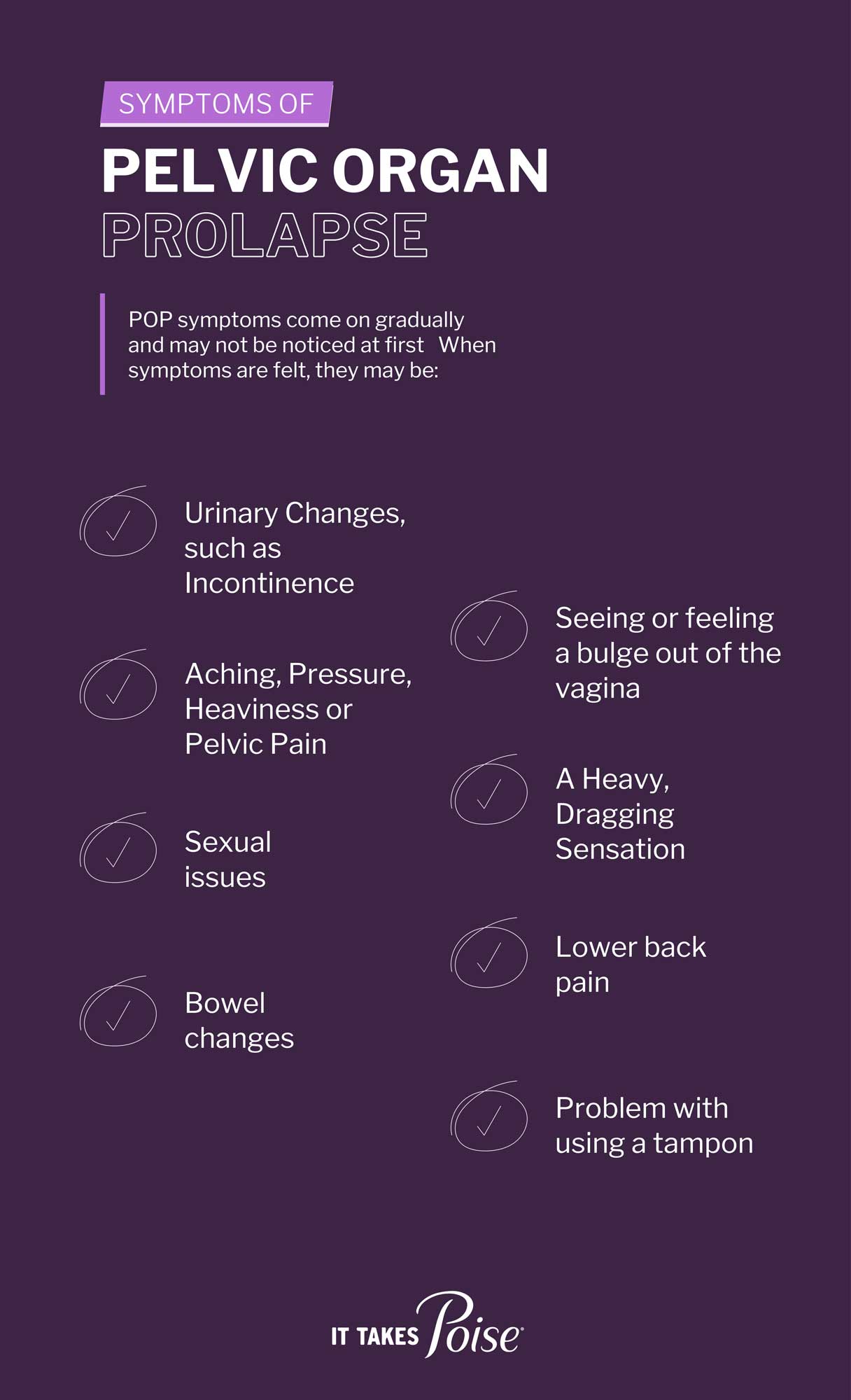
POP symptoms come on gradually and may not be noticed at first When symptoms are felt, they may be:
- A Heavy, Dragging Sensation
- Seeing or feeling a bulge out of the vagina
- Aching, Pressure, Heaviness or Pelvic Pain
- Urinary Changes, such as Incontinence
- Sexual issues
- Lower back pain
- Bowel changes
- Problem with using a tampon
Types of Pelvic Floor Prolapse
Pelvic organ prolapse is named by which organ moves out of place. This includes:
- Anterior Vaginal Wall Prolapse
- Uterine Prolapse
- Posterior Vaginal Wall Prolapse
- Vaginal Vault Prolapse
What Causes Pelvic Organ Prolapse?
Weak or stretched pelvic muscles and connective tissues can lead to prolapse, causing the bladder, uterus, rectum, or vaginal walls to shift. A main cause is pregnancy and vaginal childbirth because it puts significant strain on the pelvic floor. Other causes may be pause, chronic constipation, heavy lifting, persistent coughing, obesity, and previous pelvic surgeries like a hysterectomy. Genetics can also contribute to weaker connective tissues.
How Prolapse is Treated
You should be diagnosed by your medical provider, and then they will discuss the most appropriate treatment options for you. Your medical provider may recommend the following:
1. Lifestyle Changes
Taking charge of prolapse starts with lightening the load on your pelvic floor. This includes keeping your weight in check, avoiding heavy lifts, and sorting out any constipation issues before they worsen. Additionally, quitting smoking is highly recommended, as the persistent coughing associated with smoking can weaken the pelvic floor muscles over time.
2. Leakage Management
Bladder leakage is one of the most common struggles with prolapse, and using incontinence products can make managing it a lot easier. Poise® offers a range of absorbent pads and liners designed specifically for bladder leaks, giving you protection as you go about your day. Take the Poise® Product Quiz to find out which solution is right for you.
3. Pelvic Floor Treatments
Pelvic floor therapy for prolapse, especially Kegel exercises, can be very beneficial in dealing with the condition. These powerful moves target the muscles that support your bladder, uterus, and rectum, boosting their function and reducing troublesome symptoms like incontinence. By contracting and releasing your pelvic muscles, Kegels help rebuild strength and tone, giving you better control and support where you need it most.
Surgery: In more severe cases of prolapse, surgery may be recommended to lift and support the affected organs. This can involve using mesh or stitches to repair and reinforce the pelvic floor. It’s usually considered when other treatments haven’t helped or when symptoms significantly affect daily life.
Medications: While medications can’t reverse prolapse, they can help manage related symptoms. For example, estrogen therapy (often used after menopause) may strengthen vaginal tissues, while other medications can ease bladder irritation or help with constipation.
Physical therapy: Working with a pelvic floor physical therapist can most certainly help. These specialists guide you through targeted exercises and lifestyle adjustments to improve pelvic strength, posture, and core stability (often reducing pressure and discomfort).
Biofeedback: This technique uses gentle sensors to help you see (or hear) how your pelvic muscles are working in real time. It can be incredibly helpful for learning how to do Kegels correctly and consistently, especially if you’re not sure whether you’re engaging the right muscles.
Additionally, pessary devices provides internal support and reduces discomfort without requiring surgery. However, in some cases, surgery may be necessary to repair the pelvic floor and reposition the affected organs, offering lasting relief and improved function. During this time, find support with our Poise® Impressa® line. This line helps to stop bladder leaks before they happen as well as offers a comfortable removal and fit.
Take Control of Your Pelvic Health with Poise®
Don’t let pelvic organ prolapse disrupt your life; Poise® has you covered. Whether you're dealing with light leaks or need more absorbent protection, Poise® has the right bladder leakage products for you.
Poise® Original Incontinence Pads are designed for moderate-to-heavy bladder leakage. They feature a comfortable and an absorbent core to lock away moisture, keeping you dry and comfortable throughout the day.
Ideal for light bladder leakage, Poise® Incontinence Liners are thin yet comfortable, ensuring you feel secure during your daily activities.
Feel Secure All Day Long and discover more information on pelvic floor with Poise®.
Recommended Resources:
Cleveland Clinic. (2023). 'Pessary: Benefits, Placement, Types, Care & Effectiveness', Cleveland Clinic Health Library,
Colorado Women's Health. (n.d). 'Menopause and Prolapse', Urogynecology at Colorado Women's Health,
Mayo Clinic. (2023) Pelvic organ prolapse: Symptoms and causes. Available at:
National Association For Continence. (n.d). 'How Smoking Contributes To Incontinence', NAFC Blog,
Valdes, A., Patel, P. and Bajaj, T. (2023) Pelvic Organ Prolapse. In: StatPearls [Internet]. Treasure Island (FL): StatPearls Publishing. Available at: (Accessed: 18 July 2025).
