Urinary Incontinence After Childbirth: Which Pad is Right for Me?

Urinary Incontinence After Childbirth: Which Pad is Right for Me?
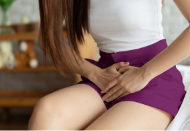
Did you know that four out of five new moms first experience a bladder leak while pregnant or after giving birth (82%)1? Women realize that their postpartum bodies bring on surprises, including postpartum bleeding, changing menstrual flows, and postpartum urinary incontinence. However, that shouldn’t stop them from taking on all the incredible things they do each day. They deserve to feel protected and confident.
Three out of five women who have experienced bladder leaks experience them on a monthly-basis or more often. 1 As an OB/GYN, my goal is to educate my patients on available resources and products that are designed to help them manage both leaking urine postpartum and monthly flows.
More than half of the women who experience bladder leaks are not aware that there are significant differences between products designed for urine leaks and products designed for menstruation (52%)1.
This especially resonates with new moms who might experience incontinence after pregnancy and normal postpartum bleeding or a return to their monthly cycle.
Materials Matter
So, why is pad material important? Bladder leaks require a different type of material to properly absorb and provide freshness. When talking about product use, one of the most important things to discuss is hygiene. I want to ensure my patients are using products that keep their skin comfortably fresh and moisture-free to prevent irritation. These are the products that we cover when we talk about the various types of feminine-care options:
-
Period pads
Aren’t designed to absorb urine. Urine escapes the body significantly faster and in higher quantities than menstrual flow, so period pads can cause urine to flow back to the top layer of the pad and feel more wet. -
Bladder leak pads
Are not designed to absorb the thickness of period blood. The material that helps bladder leak pads feel drier does not work well for periods – bladder leak products should not be used for menstrual cycles because they are likely to pool menstrual blood. -
Dual use pads
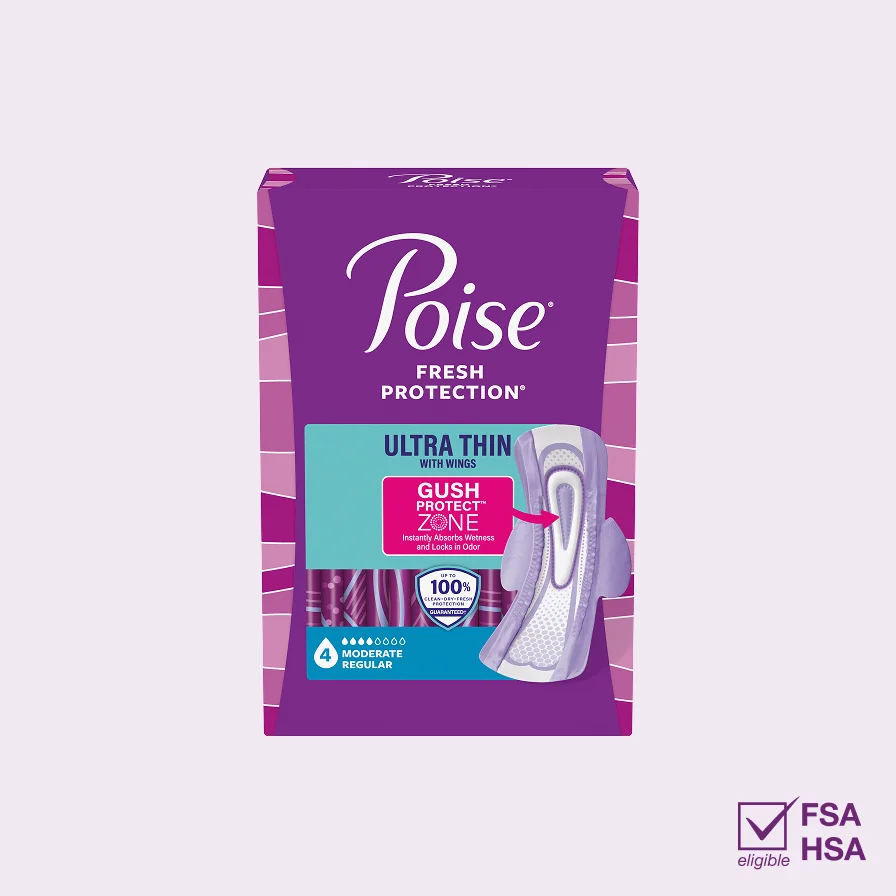
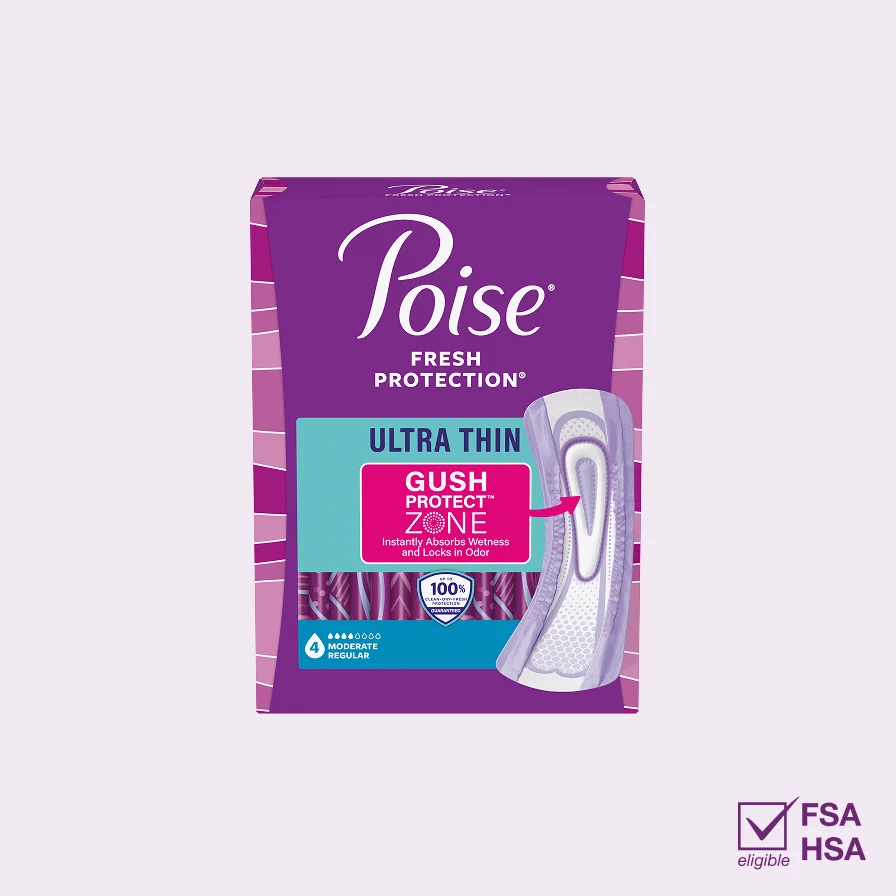
Are made with specific layers to quickly lock away both types of liquids for superior protection.
Unlike period pads, the materials used in bladder leak pads work to keep urine away from the body, which can help you feel comfortable for longer. Since the chemicals in urine are more likely to irritate the skin than period blood, I recommend replacing a bladder leak pad more frequently than you would a period pad. It’s best to switch to a fresh product once any moisture or discomfort is felt.
# # #
Author Summary: Dr. Staci Tanouye, MD, board-certified OB-GYN is a physician in a private practice and an expert in adolescent health, sexual health, reproductive health, and menopausal health. She has become one of the leading gynecologists on social media with the mission to educate women and all people with vulvas to love their bodies through knowledge and empowerment.
- 1 A 10-minute online survey was fielded on February 1, 2021 through February 8, 2021, in the United States among a nationally representative sample of 1,173 women 25+, including an additional oversample of 202 new moms**, at the 95% confidence level and with a margin of error of ±/-3%.
Related Advice & Support



Recommended Products
Absorbency Level
Absorbency Level


