What Is Frequent Urination?
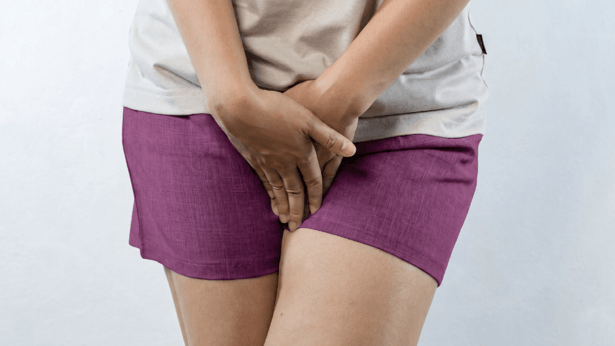
What is Frequent Urination?
If you find yourself needing to urinate more often, daily life can become centered around knowing where the nearest restroom is. So, if you want to know about frequent urination, you’re not alone. Frequent peeing, also called urinary frequency, can happen to anyone and can happen for many reasons, from lifestyle habits to health issues, such as a urinary tract infection to an overactive bladder.
What Is Considered Frequent Urination?
Most adults urinate about 6–8 times in a day. If you’re going more often than that on a regular basis, it may be considered urinary frequency.
Frequent Urination Symptoms
Frequent urination can look a little different from person to person, but symptoms may include:
- Needing to pee more than 8 times in 24 hours
- Urgency that’s hard to delay
- Nighttime urination that disrupts sleep (getting up more than twice a night)
- Sensation of incomplete emptying
- Urinary incontinence
- Pressure in the lower abdomen or pelvis
- In some cases, a burning sensation when you pee
- Increased thirst or larger urine volumes
- Feeling you “have to go” even when the bladder isn’t full
- Rushing to the bathroom to avoid leaks
What Are the Causes for Frequent Urination?
If you’ve been wondering about frequent urination causes, there are several possibilities.
Here are some possible reasons for constant peeing:
- Drinking caffeine or alcohol
- Urinary tract, bladder, and pelvic conditions
- Medical conditions, such as diabetes, interstitial cystitis, urinary tract infection
- Medications
- Overactive bladder (OAB)
- Pregnancy
- Perimenopause and Menopause
- Bladder stones or other structural issues
- Neurological conditions
Managing Frequent Urination
When you’re dealing with frequent peeing, a few key habits can make a real difference. And having reliable bladder leak protection can help you feel more confident and comfortable. You can also try:
Choosing products designed for bladder leaks
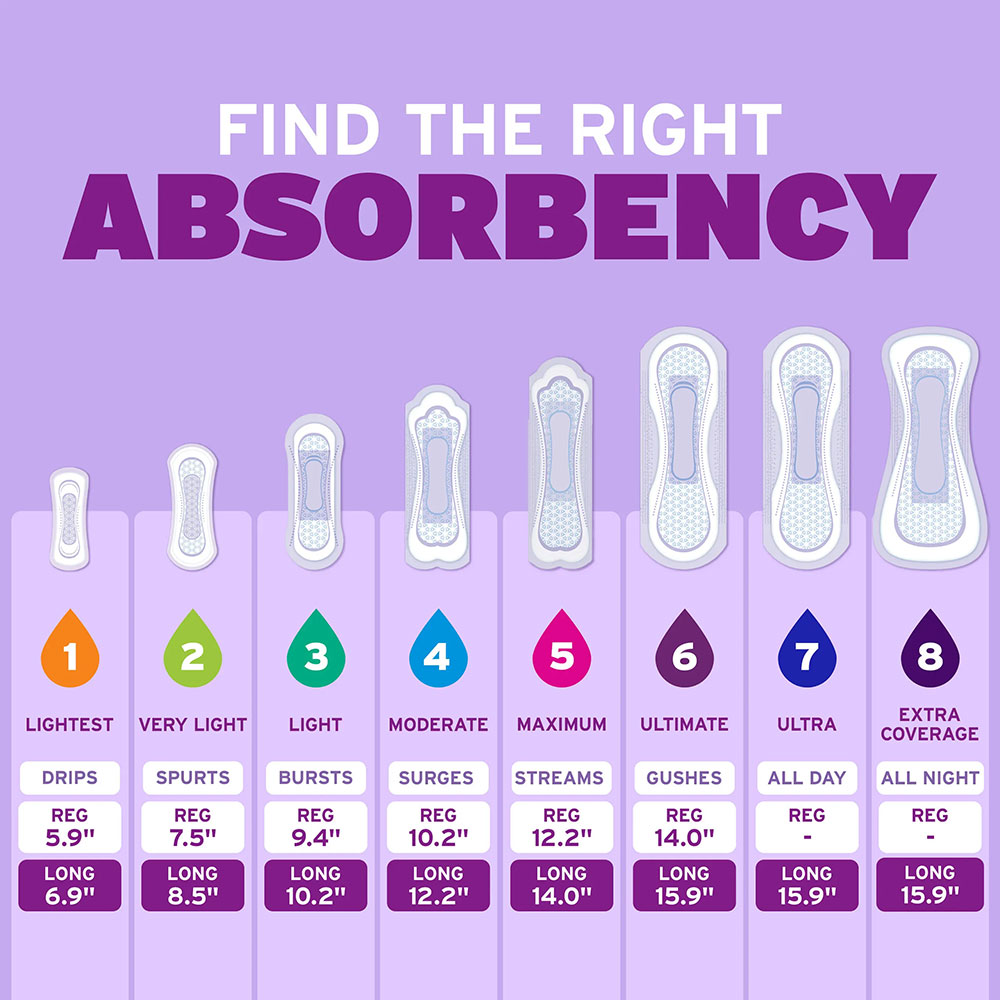
If frequent urges or leaks are part of your day, using products made specifically for bladder leaks, not period protection, can help you stay dry and feel more confident. Use our absorbency guide to compare levels and find the best product for your lifestyle.
Bladder training
Creating a timed voiding schedule (for example, every 2–3 hours) teaches your bladder to wait and get used to less frequent trips.
Pelvic floor exercises
Kegels strengthen the muscles that control urine flow. When done daily, they can reduce involuntary leaks and urgency over time.
Smart fluid habits
Dehydration can actually irritate the bladder more. Instead, sip steady amounts throughout the day and taper off liquids two hours before bed.
Trigger tracking
Keep a daily diary of your symptoms along with what you drank, ate, or did before the urgency strikes. With this tracking, your healthcare provider may be able to notice a pattern to determine what may be the cause of your urinary frequency.
Frequently Asked Questions
1. How many times a day is considered normal urination?
Most adults pee 6–8 times daily. If you’re peeing more than that, for more than several days in a row, this would be considered urinary frequency and deserves attention.
2. Can lifestyle factors cause frequent urination?
Yes, they can. Things like high-caffeine diets, inadequate hydration, excess evening fluids, and limited pelvic floor strength can all contribute to urinary frequency. Adjusting these habits can help alleviate symptoms and bring relief.
3. What pee pads work for frequent urination?
Choose purpose-built bladder-leak products rather than period pads. Poise® Bladder Leak Pads and Poise® Liners offer absorbency designed for fast-flowing urine and stay up to 25× drier.
(*Pads vs. leading period pads, liners vs. leading feminine care liner)
Frequent urination isn’t a life sentence; it’s a signal. Identifying triggers, training your bladder, and reinforcing your routine with reliable Poise® protection can restore spontaneity so you can “sneeze freely, laugh normally, live fully.”
Sources:
1. Cleveland Clinic (2025). Frequent Urination. [online] Available at:
https://my.clevelandclinic.org/health/symptoms/15533-frequent-urination [Last accessed on July 7, 2026]
2. Mayo Clinic (2026). Frequent urination: Causes. [online] Available at:
https://www.mayoclinic.org/symptoms/frequent-urination/basics/causes/sym-20050712 [Last accessed on July 7, 2026]
3. UnityPoint Health (n.d.). What Causes Frequent Urination—and When to Worry. [online] Available at:
https://www.unitypoint.org/news-and-articles/what-causes-frequent-urination-and-when-to-worry [Last accessed on July 7, 2026]
4. Medical News Today (2025). Frequent Urination in Women. [online] Available at:
https://www.medicalnewstoday.com/articles/316669 [Last accessed on July 7, 2026]
5. HealthPartners (2026). 12 Causes of Frequent Urination in Women. [online] Available at:
https://www.healthpartners.com/blog/frequent-urination-in-women-12-causes-and-how-to-get-help/ [Last accessed on July 7, 2026]
6. Cleveland Clinic (2023). Kegel Exercises. [online] Available at:
https://my.clevelandclinic.org/health/articles/14611-kegel-exercises [Last accessed on July 7, 2026]
Related Advice & Support


Recommended Products
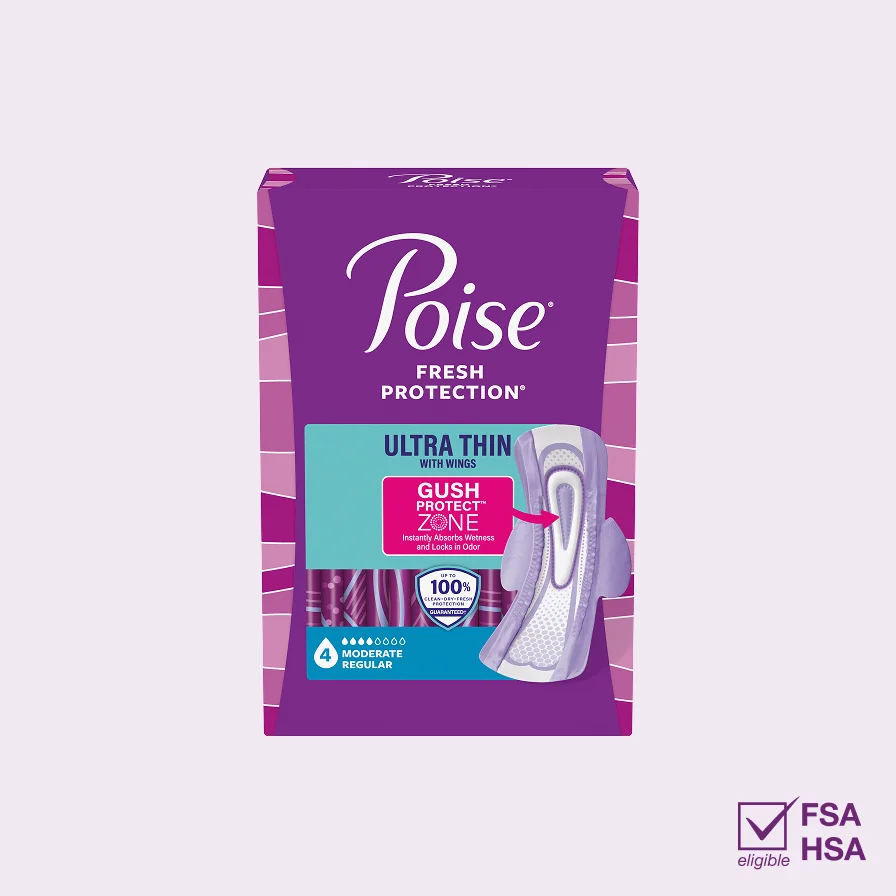
Absorbency Level
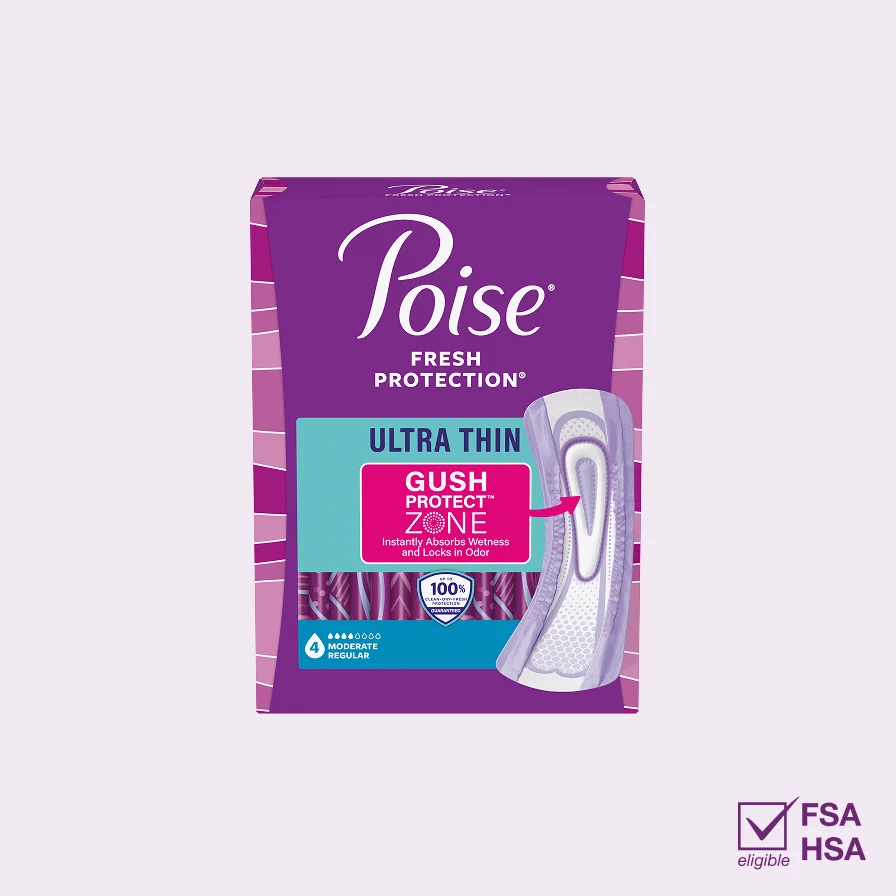
Absorbency Level


